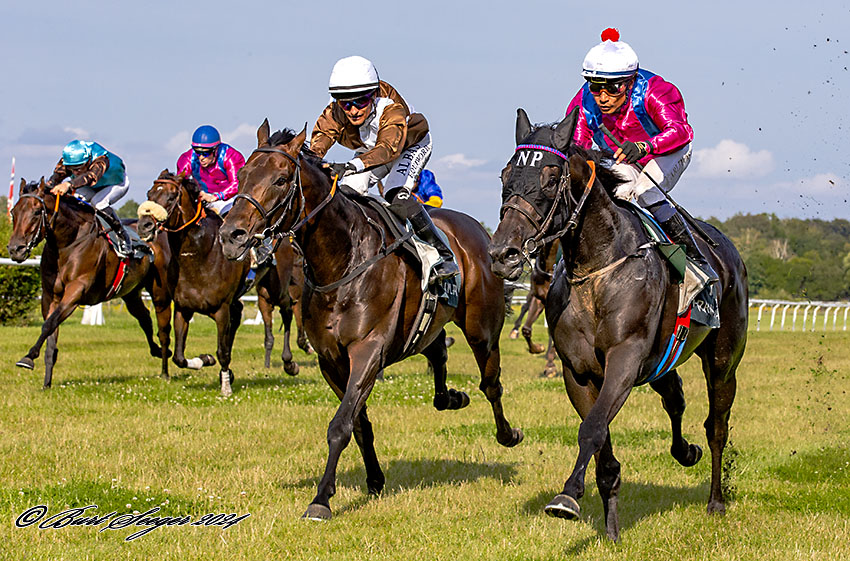
On Saturday the Scandinavian Open Championship is run for the 33rd time. And for the first time since 2000 only as a Listed Race. The greatness of former times, with international top horses and top jockeys taking part, may be over. But hopefully it is too early to hold a wake. The Scandinavian Open has offered many great experiences down the years. This year there is much to suggest that Ami De Vega can repeat last year’s win.

HOW IT ALL STARTED.
Back in the mid-1970s some visionary racing enthusiasts had the idea that an international feature race ought to be staged at Klampenborg Racecourse.
And after a long and hard planning period it was decided that the first Scandinavian Open Championship should be run in 1977.
Next year it will be 50 years ago.
The planning of the big event was placed in the hands of f-reklame, with Ole M. Frederiksen and my brother Per Aagaard Bustrup, who at the time was employed at the racecourse and represented Klampenborg Galopselskab.
Sunday 7 August dawned as the big day, and the first Scandinavian Open Championship was run. The prize money was 250,000 kroner.
There was great attention from the press, and on the day the stands were filled to bursting point.

It was a great success, and naturally the race was repeated the following year, when the prize money had risen to 400,000 kroner. And once again the day was a success.
Lester Piggott won again, this time in the saddle on the English visitor Pollerton (Rarity), who made all.
Trainer’s Seat, who had won the year before, was now ridden by Chris Cordrey, and for a while he looked like a winner, but Trainer’s Seat was beaten in a photo finish.
Chris Cordrey has previously told RaceTime that it is one of the races he most regrets not having won.
Various circumstances meant that the Scandinavian Open was put into ”mothballs”. But fortunately it returned to the racecourse’s season plan – although not until 1996, 19 years after the first edition of the event had taken place.
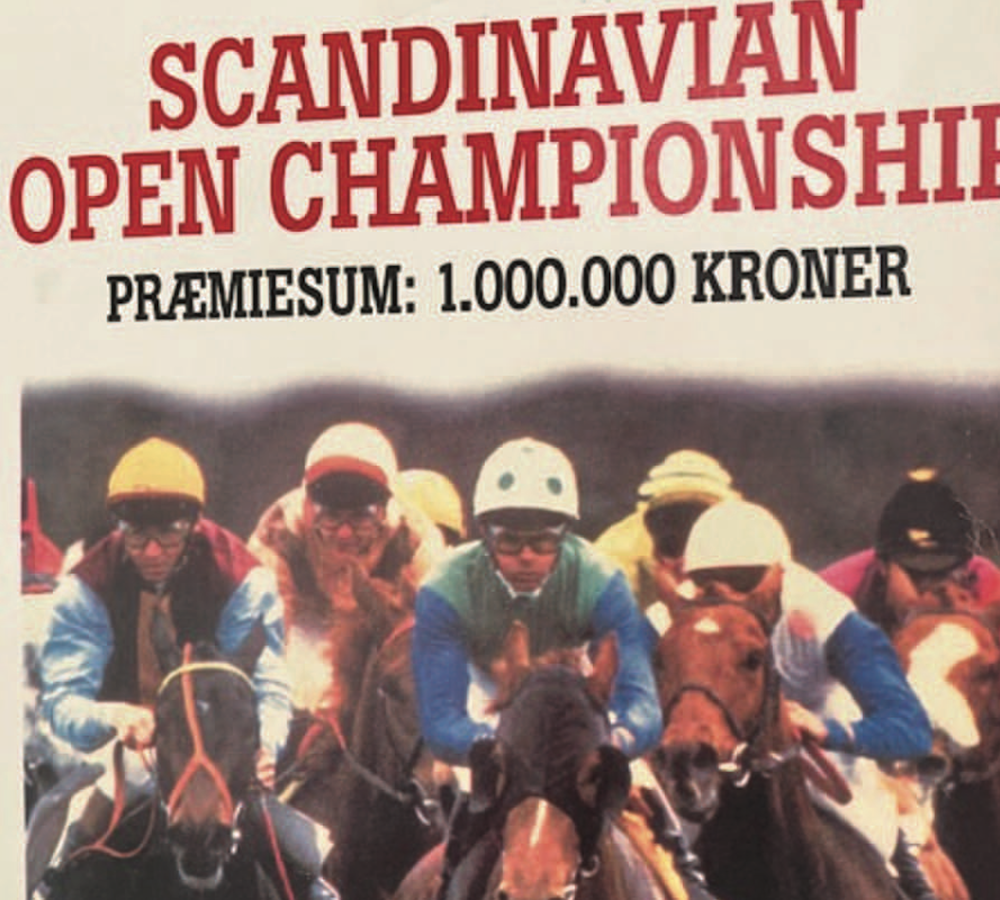
And it happened in style. The prize money was raised to no less than one million kroner – a very large sum even by international standards – and enough to attract top foreign horses and jockeys.
It also meant that the Scandinavian Open Championship was upgraded to a Group 3 race in 2000.
SUSPICIOUS MIND AND PER-ANDERS GRÅBERG ARE THE TOP SCORERS.
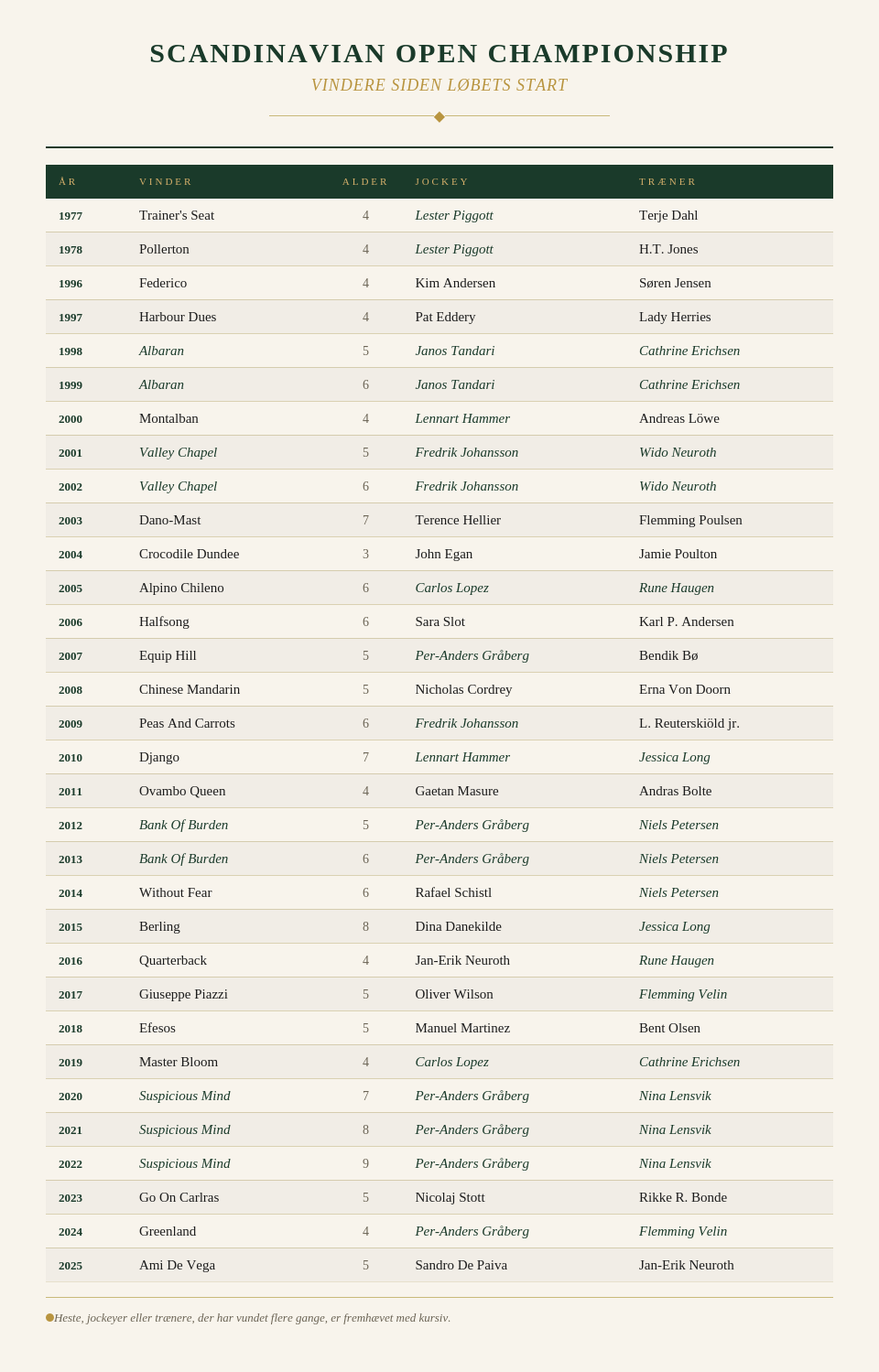
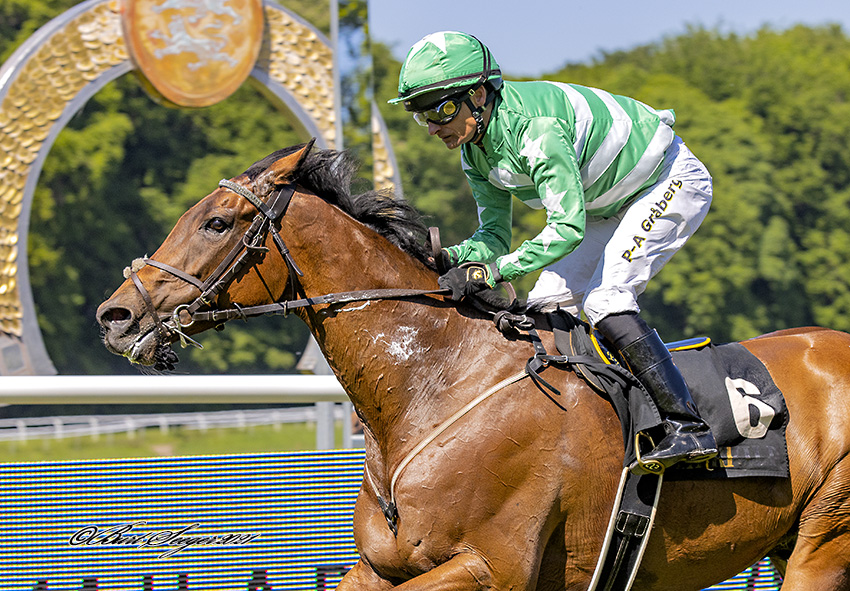
Looking at the records across the 32 years the SOC has been run, no one can match Per-Anders Gråberg. He has won the Scandinavian Open seven times, but unfortunately he has no ride in this year’s edition.
The first time Per-Anders won was in 2007 with Equip Hill, who was both owned and bred by Katarina Jacobson.
Later Per-Anders won in 2012 and 2013 with Bank Of Burden, who in that period won more or less as he pleased in Scandinavia.
And Per-Anders completed a ‘treble’ with Suspicious Mind, who won in 2020, 2021 and 2022. Suspicious Mind was owned by 360 North Horse Racing and trained by Nina Lensvik at Jägersro.
Most recently Per-Anders won in 2024 with Flemming Velin’s Greenland.
Per-Anders Gråberg, who turned 50 last year, is Scandinavia’s most successful active jockey with more than 2,000 wins.
Only five other jockeys have won the SOC more than once – all of them top jockeys. Lester Piggott, Janos Tandari, Lennart Hammer, Fredrik Johansson and Carlos Lopez.
Lennart Hammer won in 2000 with the German chestnut stallion Montalban (Mondrian), who was a real stayer that could never get it far enough. There was therefore some doubt as to whether he had enough speed to win the Scandinavian Open.
But the strong early pace and Klampenborg’s long home straight, which incidentally corresponds to Hamburg’s, together with a perfect ride by Lennart Hammer, meant that everything worked out perfectly for him.

For jockey Lennart Hammer the win in the Scandinavian Open was a breakthrough in Denmark, where he started out as an apprentice with Søren Jensen.
Lennart Hammer later had an outstanding career as a jockey in Germany, where his son Thore Hammer last year became champion jockey for the second time.
Lennart Hammer won the SOC again 10 years later with Django.
Oliver Wilson and Sandro De Paiva get the chance to join that select company this year with rides on Ami De Vega (Lope De Vega) and Irish Fire (Make Believe) respectively.
THREE TRAINERS HAVE WON THE SOC THREE TIMES.
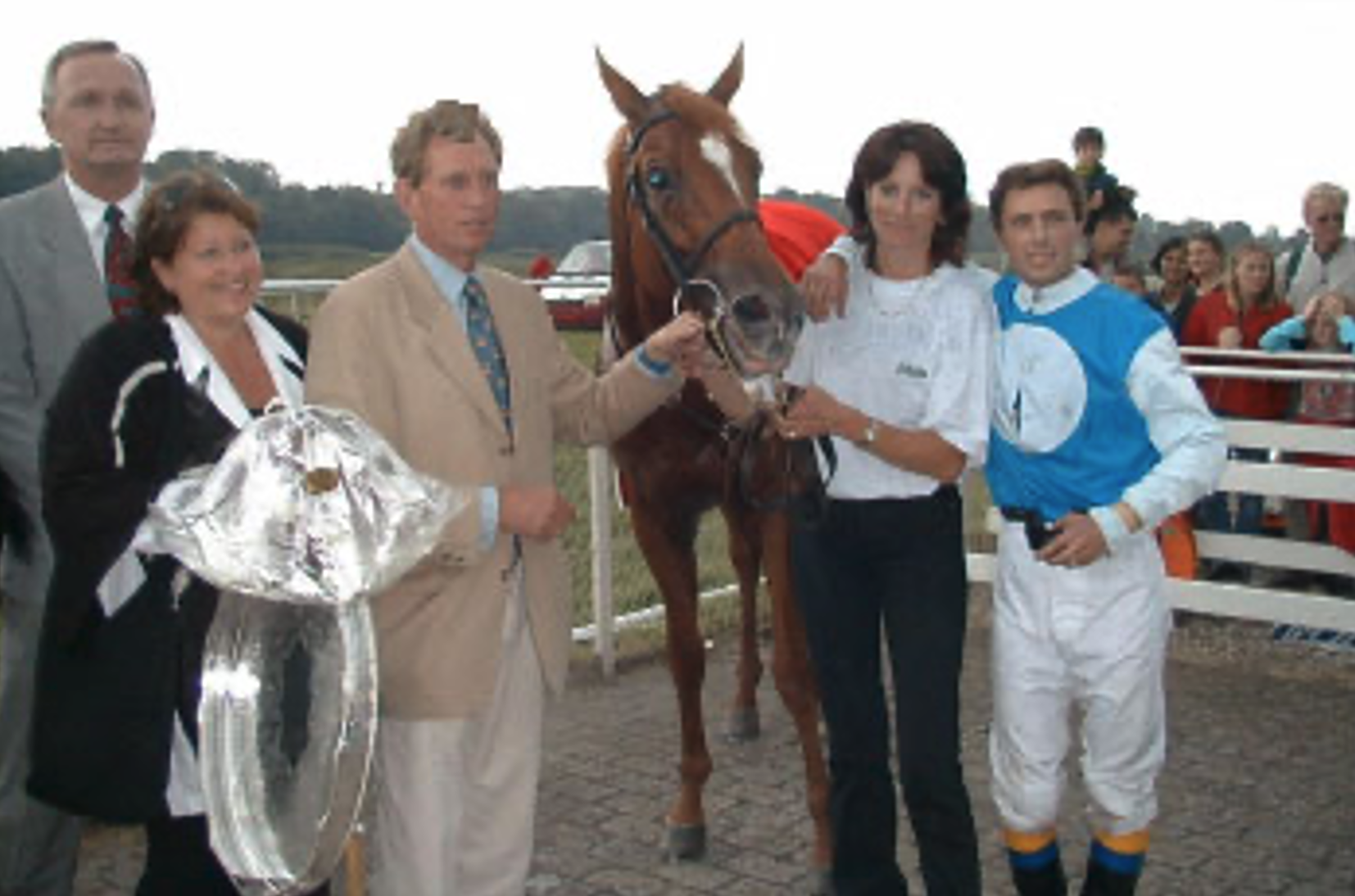
Cathrine Erichsen, Niels Petersen and Nina Lensvik top the list of the most successful trainers in the Scandinavian Open.
Unfortunately Niels Petersen has no runners in the SOC this year. It would have been exciting if Mount Kilimanjaro (Siyouni) and/or Mozart (Le Havre) had been on the start list.
Flemming Velin is the only Danish trainer who has won the race twice. Søren Jensen, Flemming Poulsen, Karl Peter Andersen (on a Swedish licence), Bent Olsen and Rikke Bonde have each won once.
Flemming Velin can reach three wins in the SOC if Drumroll (Deep Impact) wins.

SIX DANISH DERBY WINNERS HAVE ALSO WON THE SOC.
It is always a pleasure to see Danish Derby winners who can follow up with success as older horses.
The Scandinavian Open has six times been won by former Danish Derby winners. Two of those were imports, though – Federico (Known Fact) and Valley Chapel (Selkirk).
The four others are Halfsong (Songline), Peas and Carrots (Final Appearance), Master Bloom (Pastorius) and Suspicious Mind (Appel au Maitre).
And all six were trained in Scandinavia.
ENGLISH/ ROYAL INVASION.
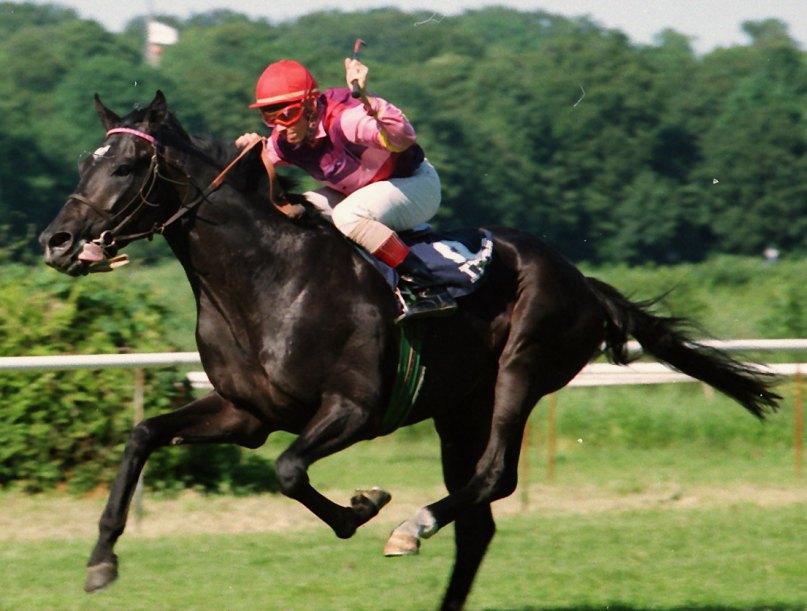
When Federico won the SOC in 1996, it was ahead of several top horses trained outside Scandinavia.
So the following year, when the prize money was again 1 million kroner, trainers from England sent a number of their very best horses to make their mark.
And it worked. It became a battle up the straight between two English visitors, in which Harbour Dues (Slip Anchor) won with Pat Eddery in the saddle.
Second came H.M. Queen Elizabeth’s Arabian Story (Sharrood).
Arabian Story’s participation in Denmark was a huge event for Scandinavian racing. It created a euphoric atmosphere and a big press conference when it was announced that one of Queen Elizabeth’s horses would run.
After the win in the SOC, Harbour Dues won the Stockholm Cup International (Gr.3), and he ended the 1997 season with fourth place in the Melbourne Cup (Gr.1).

ONLY CROCODILE DUNDEE HAS WON THE SOC AS A 3-YEAR-OLD.
In 2004 the 3-year-old Crocodile Dundee won the Scandinavian Open.
Eleven runners from six different countries lined up in Denmark’s biggest race. The best-placed Scandinavian-trained horse was the winner from the year before, Dano-Mast, in fourth.
No 3-year-old had won the Scandinavian Open before, and none has since, but Crocodile Dundee showed that it can be done.
Crocodile Dundee came from a win at Sandown ahead of Silence Is Golden, who had followed up with second place in a Group 1 race at Goodwood.
It may well be the last time we have seen a 3-year-old win the SOC.
One reason is that the Scandinavian Open was moved forward in 2020 from August to May, and it is hard to see a 3-year-old beating older top horses over 2400 metres at the start of their three-year-old season.
Another reason is that with the reduced prize money we now have, we will hardly be able to attract the same top foreign horses as before.
THREE MARES HAVE WON THE SCANDINAVIAN OPEN.
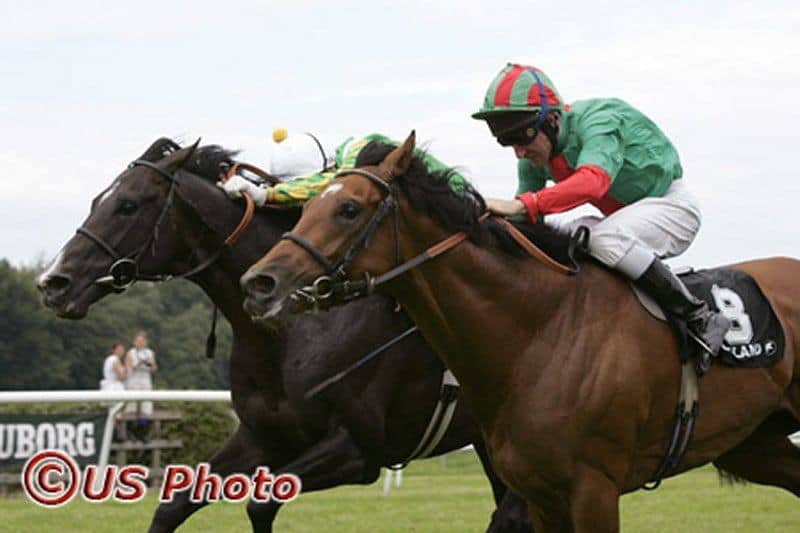
The 2003 Danish Derby winner Halfsong became the first mare to win the SOC.
Halfsong’s popularity at Klampenborg was great. She was bred, owned and trained by the Swedish/Danish Karl Peter Andersen. Halfsong won 12 times and earned more than 2.5 million kroner in her racing career.
She won the Svenskt Oaks, the Danish Oaks, the Dansk Breeders’ Cup and the Golden Mile (L), but she will above all be remembered for her wins in the Danish Derby in 2003 and in the Scandinavian Open in 2006.
On both occasions she surprised the punters and won at long odds. In the Danish Derby at almost 18 times the money and at 13 times the money in the SOC, where she beat the Swedish Derby winner Zenato (Acatenango).
At the same time Sara Slot became the first female jockey to win the Scandinavian Open.
In 2015 Dina Danekilde emulated her when she won on Chess Racing’s Berling (Montjeu) in a highly dramatic SOC.
It was marred by a terrible fall round the grandstand bend, in which Mekong River (Galileo), Bank Of Burden (Hawk Wing) and Moe Green (Xaar) were involved. And sadly Mekong River later had to be put down.
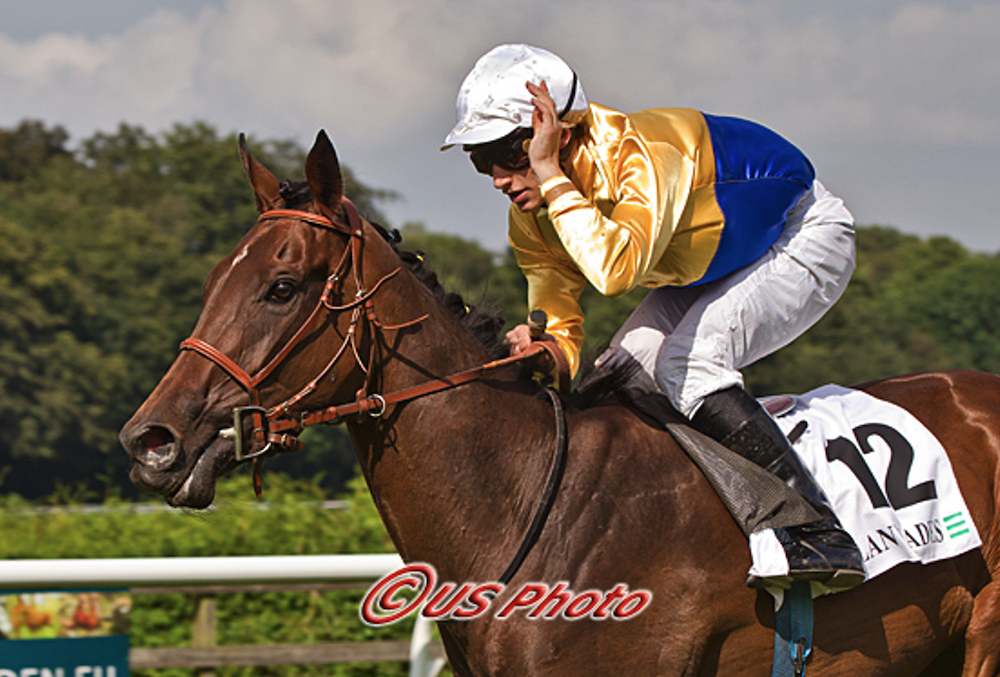
The next mare to win the Scandinavian Open was the German Ovambo Queen (Kalatos) in 2011.
Ovambo Queen is perhaps the best of all the horses that have won the SOC. The following year, as a 5-year-old, she was only narrowly beaten in the Grosser Preis von Baden (Gr.1) by another German super mare, Danedream (Lomitas), who the year before had won the Prix de l’Arc de Triomphe.
The third and so far last mare to have won the SOC is Stald Ras’ Go On Carlras (Harzand), who won in 2023 on her seasonal debut.
White Heart (Camelot) was second, and Iron Butterfly (Swipe), who two years earlier had won the Danish Derby ahead of Go On Carlras, was third. And it was a surprise. Go On Carlras was backed at 310:10.
EFESOS SURPRISED.
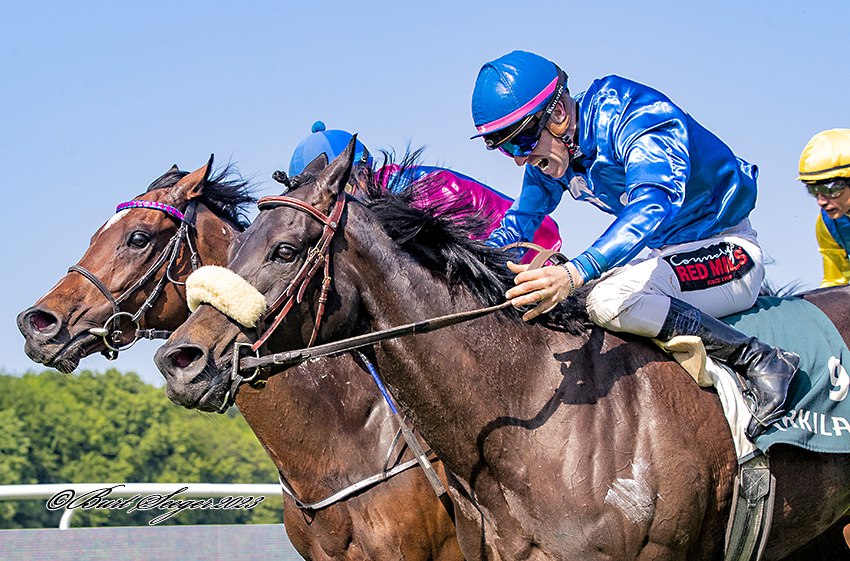
Another big surprise came in 2018, when Efesos (Royal Experiment) won the Scandinavian Open at 12 times the money.
With Manuel Martinez in the saddle Efesos made every yard and won ahead of Captain Morgan (Diamond Green) and Albarone (Born To Sea), who like the winner was trained by Bent Olsen.
Sadly it turned out to be the last race Efesos completed.
Efesos, who was owned by Odessa Racing Club and bred by Lone Pedersen/ Stutteri Nova, was named Horse of the Year in Denmark in 2018. He is still active at the stud as a stallion.
CLOSE FINISHES.
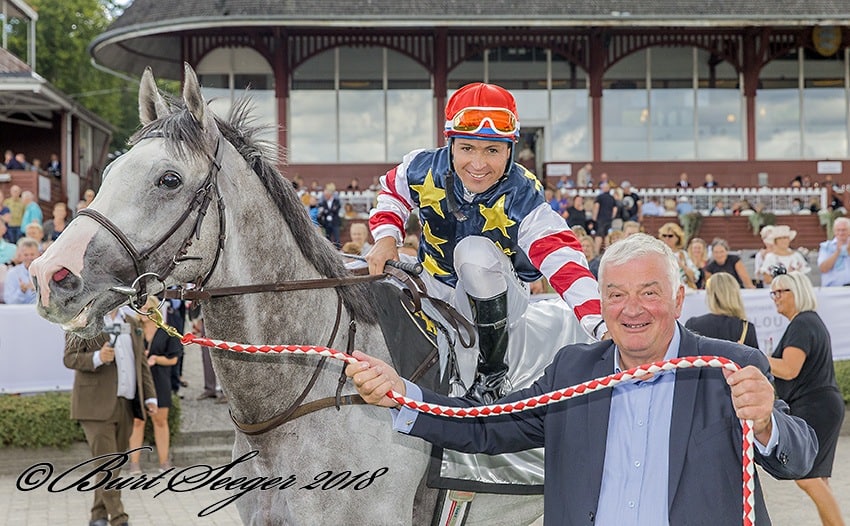
The super mare Inaya (High Chaparral), who at Klampenborg won both the Danish Oaks and the Danish St. Leger among others, was close to winning the Scandinavian Open Championship as well in 2016.
She could then have become the fourth mare to win the SOC and have given Chess Racing victory two years running. Berling won in 2015, as described.
Right on the line she was caught by the Norwegian Derby winner Quarterback (American Post) with Jan-Erik Neuroth on board.
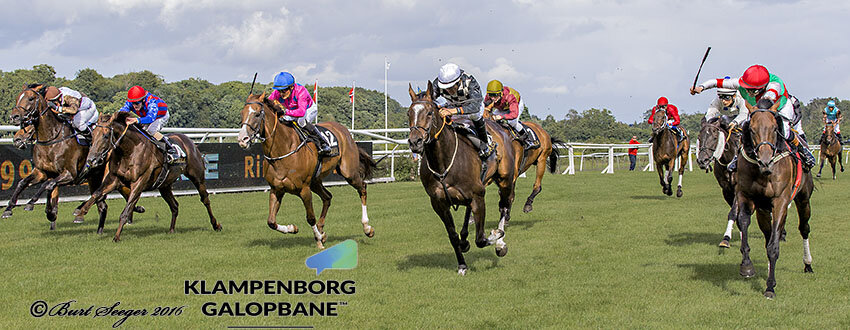
And within a length followed, in order, some of the best horses in recent Scandinavian racing history. Bank Of Burden (Hawk Wing), Giuseppe Piazzi (Galileo) and Hurricane Red (Hurricane Run).
The last two stand today as stallions at York Stutteri.
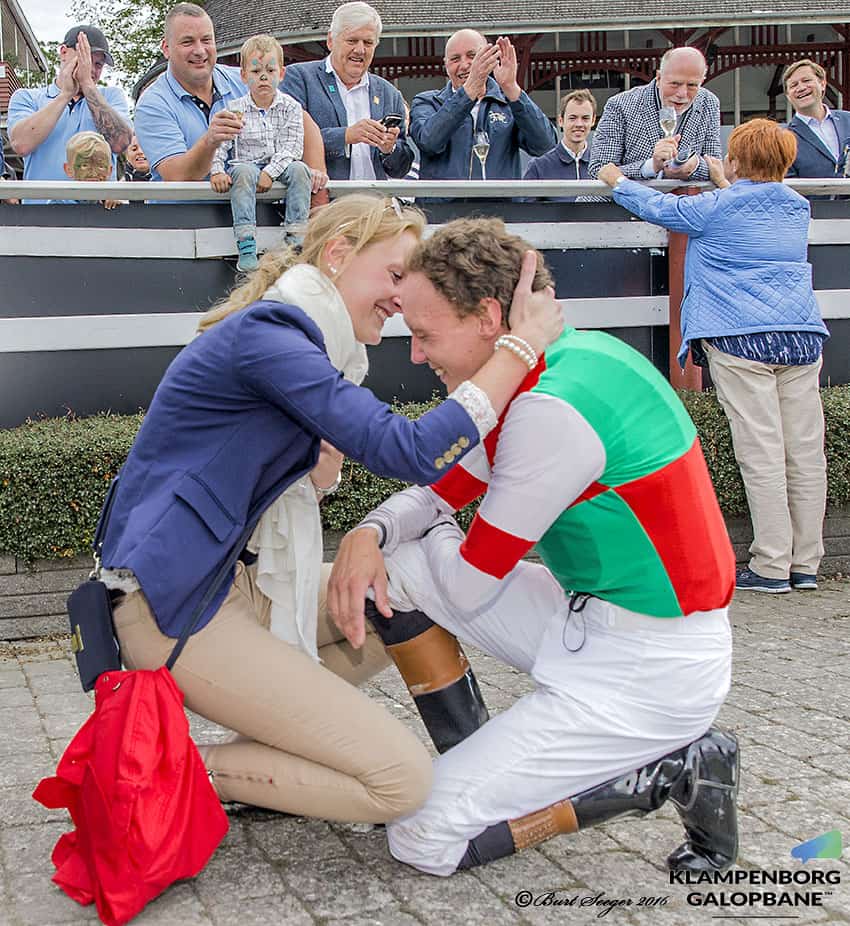
The Scandinavian Open 2016 at Klampenborg should also be remembered for something else. Right after the race a romantic scene took place, when the winning rider Jan-Erik Neuroth proposed to his girlfriend in the winner’s circle.
That is not an everyday occurrence.
Eight years earlier, in 2008, the SOC was also the scene of a very close and exciting finish.
One of the best Danish-bred horses of this century, Peas And Carrots, was at that time a fixture in the Scandinavian Open, and he was usually among the favourites.
He made his SOC debut as a 4-year-old in 2007 with fifth place, and the following year he was favourite and close to winning.
But Peas And Carrots had to give best to the Kingmambo son Chinese Mandarin.
At the decisive moment he swept past with Nicholas Cordrey, who in the saddle produced a splendid finish and won by three-quarters of a length.

The following year they swapped places, and Peas And Carrots got his only win in the SOC. Lone Kaj-Nielsen’s Danish Derby winner Master Kid (Academy Award) was third.
In 2010 Peas And Carrots had to give best to Chess Racing’s Django (Acatenango), who with Lennart Hammer beat Peas And Carrots by half a length.
And in 2011 Peas And Carrots was beaten by the German super mare mentioned earlier, Ovambo Queen.
The last time we saw Peas And Carrots in the Scandinavian Open was in 2012, when he was beaten by Bank Of Burden and the Norwegian Derby winner and winner of the Stockholm Open International (Gr.3), Touch Of Hawk (Hawk Wing).
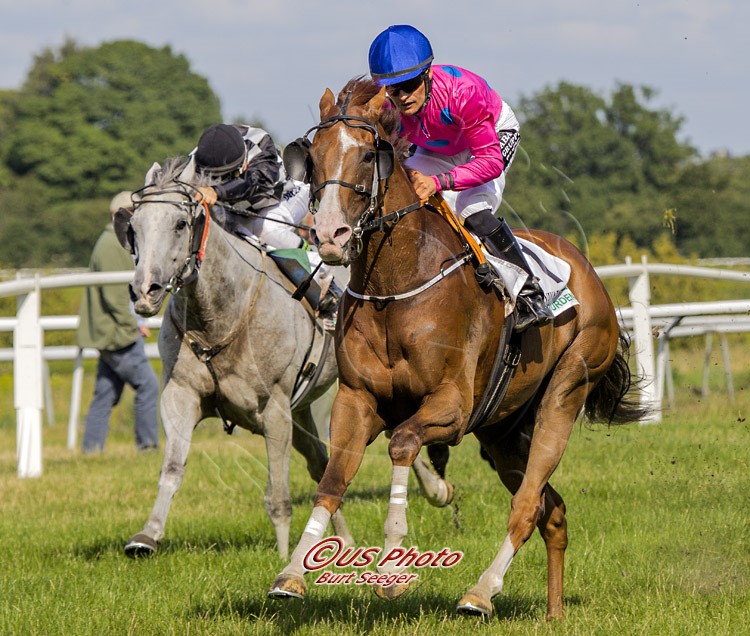
Another top horse that has run often in the SOC is the 2016 Danish Derby winner, Suspicious Mind. It became no fewer than seven starts, which is a record.
In 2017 he was fifth, in 2018 fourth and in 2019 third.
And then came the wins. Three in a row. In 2020, 2021 and 2022.
The last time we saw Suspicious Mind in the SOC was in 2023, when it became a fifth place.
MEETINGS OF THE GIANTS.
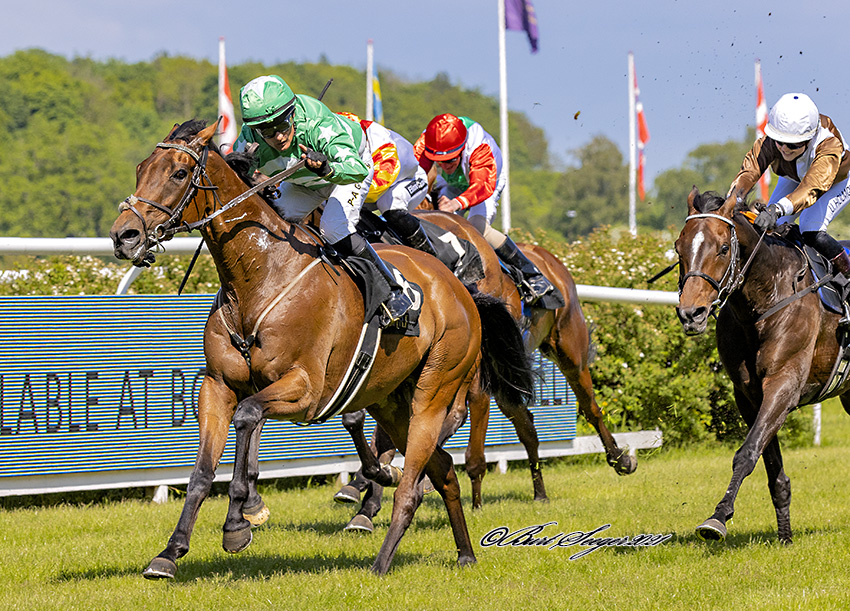
In 1999 Valley Chapel (Selkirk) won the Danish Derby ahead of Dano-Mast. It would turn out that these were two quite extraordinary horses, and they left their mark on the Scandinavian Open in the years that followed.
In 2001 Valley Chapel won the SOC ahead of Sagitarrius (Sadler-s Wells) and Dano-Mast, and the following year Valley Chapel won again, this time ahead of Dano-Mast.
In 2003 Valley Chapel did not take part, and so the win in the SOC finally came to Dano-Mast, who won ahead of the former Danish and Norwegian Derby winner Parthe (Highest Honor).
Among the beaten field were Alpino Chileno (Alpino Fitz), who won the SOC two years later, and Albaran, who had won the Scandinavian Open in 1998 and 1999.
CAN AMI DE VEGA REPEAT LAST YEAR’S WIN?
The Neuroth family have good memories to look back on when it comes to the Scandinavian Open.
As described, Wido Neuroth was the trainer of the triple Derby winner Valley Chapel, who won the SOC in 2001 and 2002.
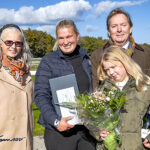
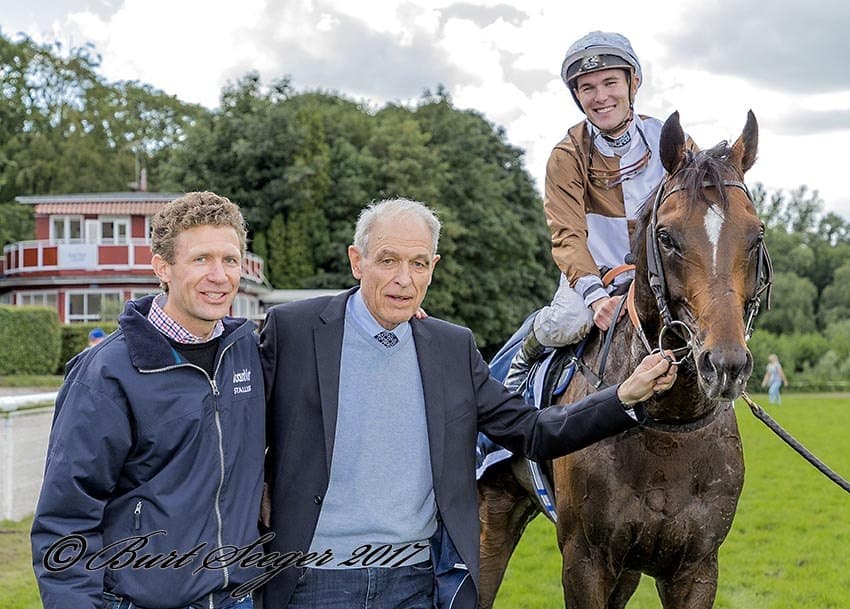
In 2016 his son Jan-Erik Neuroth won as a jockey with Quarterback. It was on that occasion that Jan-Erik proposed in the winner’s circle to Kristin, and today the two have daughters together, Marianne and Mathilde.
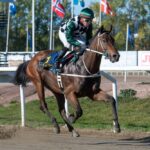
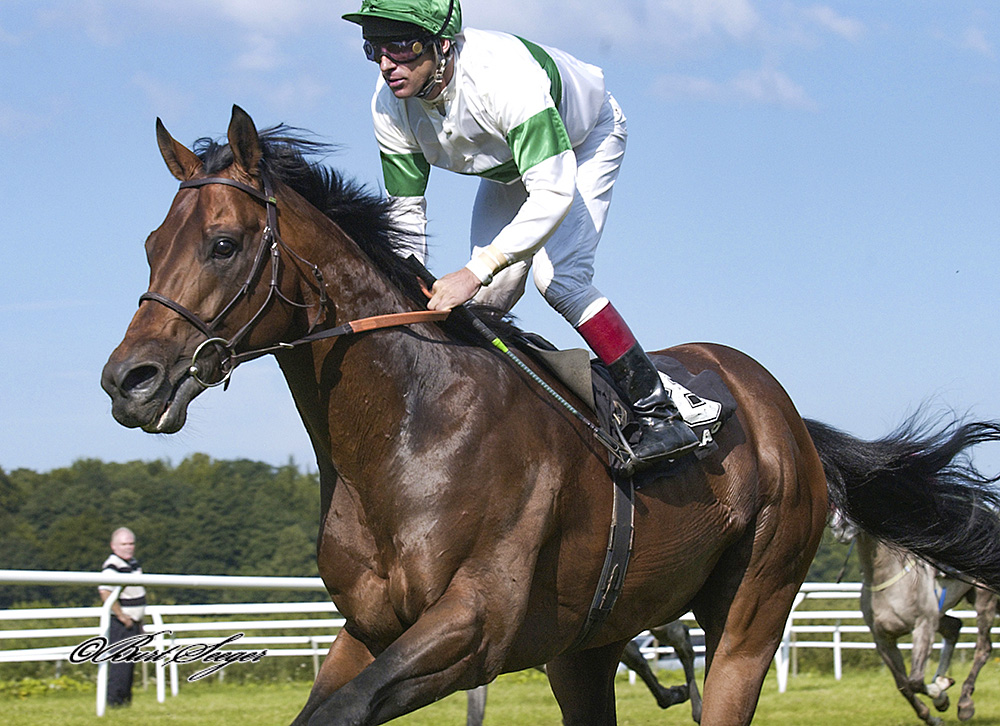
And last year Jan-Erik Neuroth won as a trainer with the 2023 Norwegian Derby winner, Ami De Vega (Lope De Vega).
Ami De Vega is on the start list again this year. And Jan-Erik Neuroth is additionally represented in the SOC by the Swedish St. Leger winner Zakopane (Zarak).
They are both owned by Stall Perlen, who can win the Scandinavian Open for the fourth time. As already described, Valley Chapel won in 2001 and 2002.

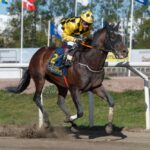
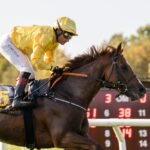
Ami De Vega now gets Oliver Wilson in the saddle – and it would be no surprise if he writes himself into the history of the Scandinavian Open as one of the horses to have won it twice.
Ami De Vega makes his seasonal debut in the Scandinavian Open, but that was also the case last year, when after the win he took the Oslo Cup (L) and later was placed twice in Group races in Germany.
Flemming Velin is, as mentioned, the only Danish trainer to have won the race twice, and he gets the chance of a third win this year with Drumroll (Deep Impact).
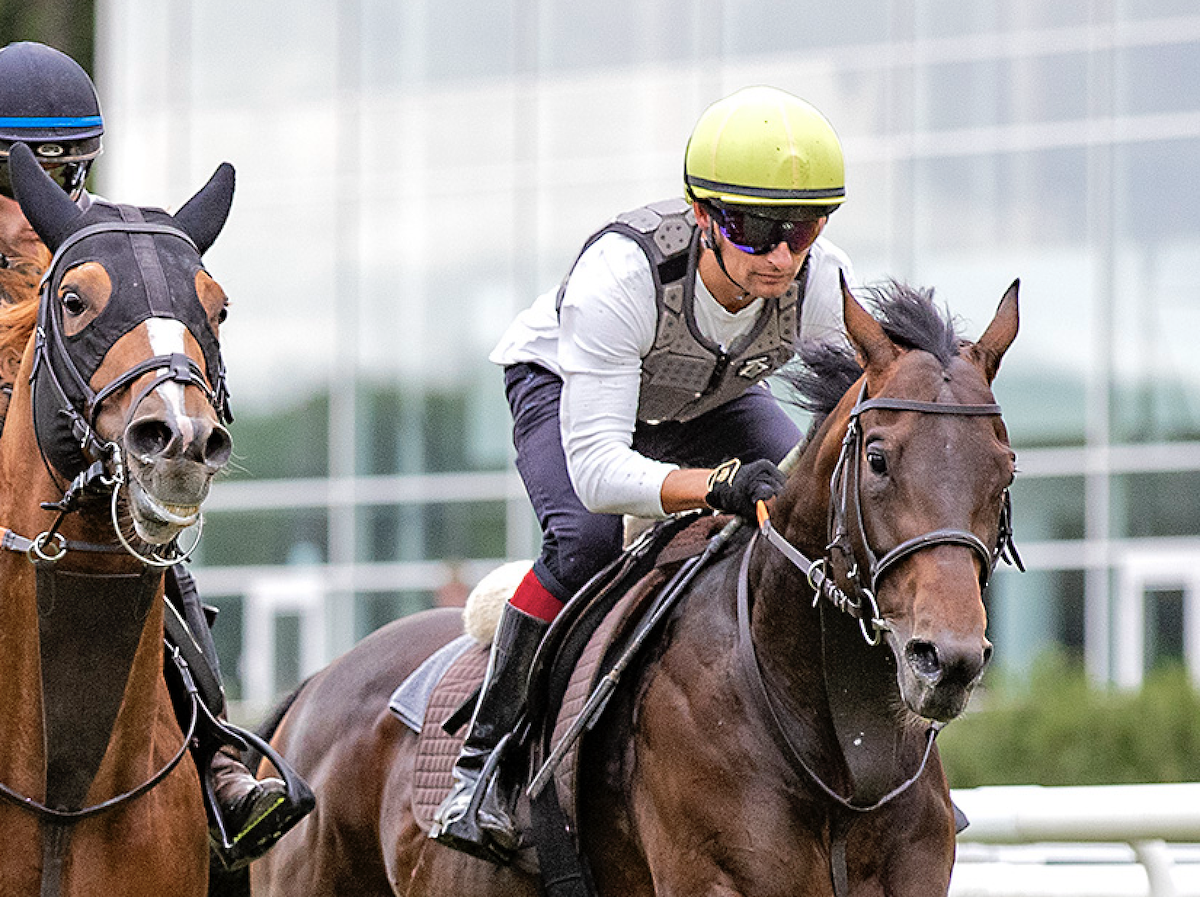
Drumroll is a Group 3 winner in England and a full brother to Saxon Warrior. He returned at Klampenborg on 27 April without impressing. But that was after a very long break from racing.
In 2017 Flemming Velin won the SOC with the Galileo son Giuseppe Piazzi ahead of the Norwegian Derby winner Eye In The Sky (Sinndar). A small consolation for the loss of Mekong River, who was fatally injured in the Scandinavian Open two years earlier.
And in 2024 Flemming Velin won the SOC again as a trainer, this time with Greenland (Saxon Warrior), who is owned by Majken and Flemming Velin.
CAN DOUBLE UX SURPRISE?
Tobias Hellgren’s now 7-year-old Double Ux (Magician) showed great progress last year, when he rose eight kilos in the handicap, won three times and was second in the Oslo Cup (L), beaten only a length by Ami De Vega.
Double Ux ended the season at Klampenborg with a win in the Sensommer Stayer Cup ahead of another of the SOC runners, Irish Fire, and he began this season with a win at Klampenborg in the Forårs Cup.
Double Ux may well turn out to be Ami De Vega’s most dangerous rival.
Another rival will probably be last year’s Norwegian St. Leger winner If He Says So, who is trained by Annike Bye Hansen.
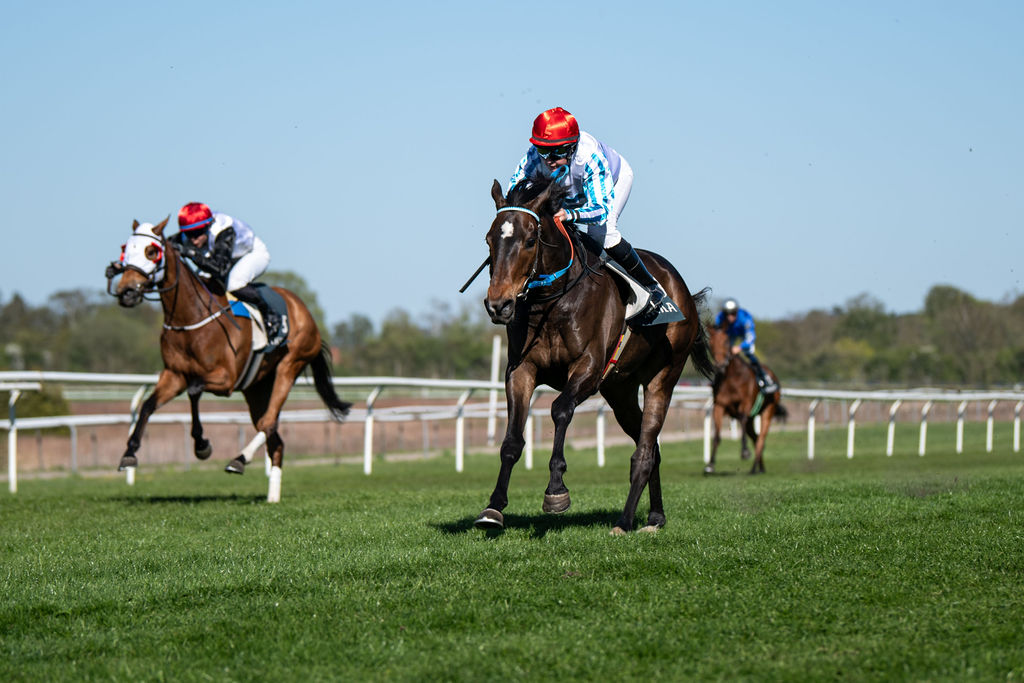
Unfortunately the field in the SOC is small this year with only six runners.
CAN THE SCANDINAVIAN OPEN REGAIN STATUS AS A GROUP 3 RACE?
Of course. It depends on the quality of the horses that can be attracted to the race.
But it is doubtful whether that quality can become high enough for the SOC to regain status as a Group 3 race. In that context the prize money is naturally not irrelevant.
In 1978 the prize money was 400,000 kroner, and when the race was revived in 1996, the total prize money was 1,000,000 kroner.
In today’s money that corresponds in both cases to just under two million kroner. In 2026 the prize money, which has gradually been reduced over the years, is 350,000 kroner, in other words less than 20% of what it was then.
That matters, and it underlines all too clearly the difficult sporting conditions faced at Klampenborg Racecourse.
At the same time the Scandinavian Open has, as already mentioned, been moved from August to May since 2020, at the same time as the Danish Derby was moved to August.
All in all undoubtedly a sensible move, but it is probably harder to attract top foreign horses and the Scandinavian older elite to a top clash over a distance in May than in August.
The only horse in training outside Scandinavia to have taken part in the SOC since then is the Archie Watson-trained Outbox (Frankel) with Hollie Doyle in the saddle, but he was not in top form and finished next to last.
But that does not mean that we cannot have excellent races in the Scandinavian Open Championship as a Listed Race in the future as well.
And looking back, as set out in this article, there is every reason to be pleased about the many experiences the SOC has already offered.
With many exciting finishes, participation by top horses and jockeys from all over Scandinavia and abroad, and even a royal appearance, when Queen Elizabeth sent one of her horses to Klampenborg.
And perhaps Klampenborg will get a new Group 3 race.
The Derby day Pokalløb, which is now sponsored by Lanwades Stud and has been won for the past two years by Mozart (Le Havre), now has a higher prize fund than the Scandinavian Open.
That race ought to be an obvious meeting over 1800 metres for the Scandinavian elite – and preferably also with runners that are not in Scandinavian training.